1 The Camels are Coming (1932)
2 Biggles and the Cruise of the Condor (1933)
3 Biggles of the Fighter Squadron (1934)aka Biggles of the Camel Squadron
4 Biggles Flies Again (1934)
5 Biggles Learns to Fly (1935)
6 Biggles and the Black Peril (1935)
7 Biggles Flies East (1935)
8 Biggles Hits the Trail (1935)
9 Biggles in France (1935)
10 Biggles and Co. (1936)
11 Biggles in Africa (1936)
12 Air Commodore (1937)aka Biggles and the Secret Mission
13 Biggles Flies West (1937)
14 Biggles Flies South (1938)
15 Biggles Goes to War (1938)
16 Biggles and The Rescue Flight (1939)
17 Biggles in Spain (1939)
18 Biggles Flies North (1938)
19 Secret Agent (1940)
20 Biggles in the Baltic (1940)
21 Biggles in the South Seas (1940)
22 Biggles Defies the Swastika (1941)
23 Biggles Sees It through (1941)
24 Spitfire Parade (Biggles) (1941)
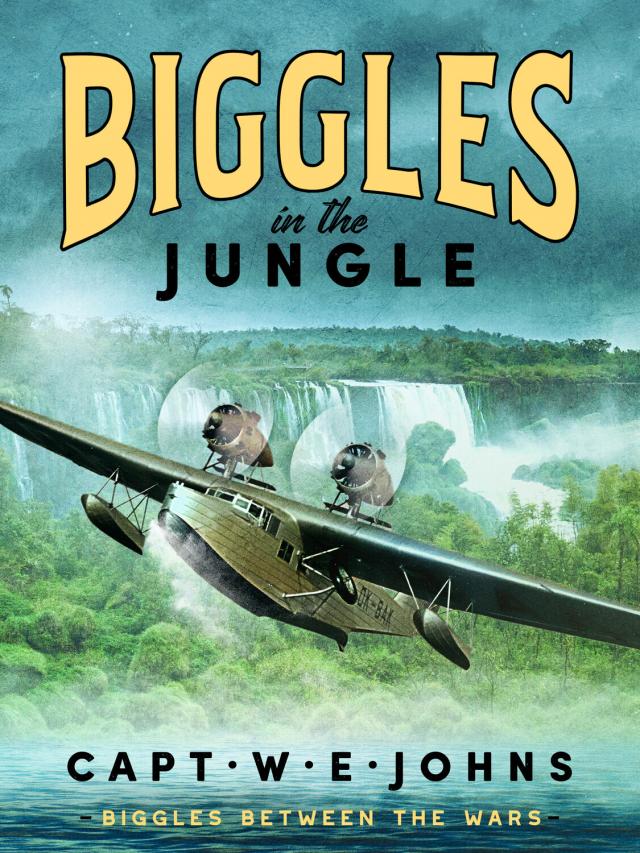
25 Biggles in the Jungle (1942)
26 Biggles Sweeps the Desert (1942)
27 Charter Pilot (1943)
28 Biggles in Borneo (1943)
29 Biggles Fails to Return (1943)
30 Biggles in the Orient (1945)
31 Biggles Delivers the Goods (1946)
32 Sergeant Bigglesworth C.I.D. (1947)
33 Biggles Second Case (1948)
34 Biggles on the Hunt (1948)aka Biggles Hunts Big Game
35 Biggles Takes a Holiday (1949)
36 Biggles Breaks the Silence (1949)aka Biggles in the Antarctic
37 Biggles Gets His Men (1950)
38 Another Job for Biggles (1951)
39 Biggles Goes to School (1951)
40 Biggles Works It Out (1951)
41 Biggles Takes the Case (1952)
42 Biggles Follows On (1952)
43 Air Detective (1952)
44 Biggles and the Black Raider (1953)
45 Biggles in the Blue (1953)
46 Biggles in the Gobi (1953)
47 Biggles of the Special Air Police (1953)
48 Biggles Cuts It Fine (1954)
49 Biggles and the Pirate Treasure (1954)
50 Biggles Foreign Legionnaire (1954)
51 Biggles Pioneer Airfighter (1954)
52 Biggles in Australia (1955)
53 Chinese Puzzle (1955)
54 Biggles of 266 (1956)
55 No Rest for Biggles (1956)
56 Biggles Takes Charge (1956)
57 Biggles Makes Ends Meet (1957)
58 Biggles of the Interpol (1957)
59 Biggles on the Home Front (1957)
60 Biggles Presses On (1958)
61 Biggles on Mystery Island (1958)
62 Biggles Buries a Hatchet (1958)
63 Biggles in Mexico (1959)
64 Combined Operation (1959)
65 Biggles at World's End (1959)
66 Biggles and the Leopards of Zinn (1960)
67 Biggles Goes Home (1960)
68 Biggles and the Poor Rich Boy (1961)
69 Biggles Forms a Syndicate (1961)
70 Biggles and the Missing Millionaire (1961)
71 Biggles Goes Alone (1962)
72 Orchids for Biggles (1962)
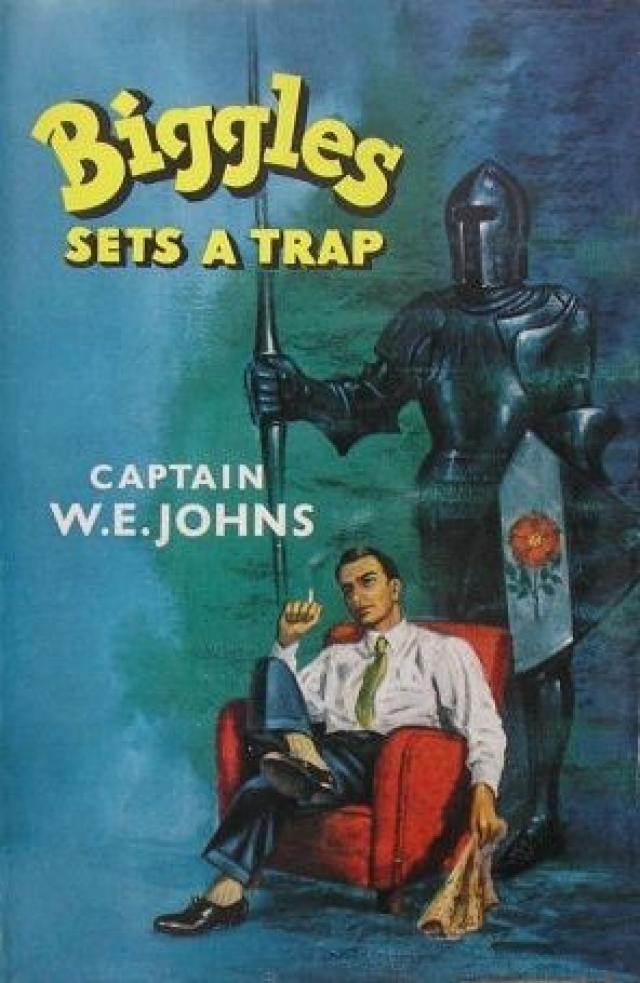
73 Biggles Sets a Trap (1962)
74 Biggles Takes it Rough (1963)
75 Biggles Takes a hand (1963)
76 Biggles Special Case (1963)
77 Biggles and the Plane That Disappeared (1963)
78 Biggles Flies to Work (1963)
79 Biggles and the Lost Sovereigns (1964)
80 Biggles and the Black Mask (1964)
81 Biggles Investigates (1965)
82 Biggles Looks Back (1965)
83 Biggles and the Plot that Failed (1965)
84 Biggles and the Blue Moon (1965)
85 Biggles Scores a Bull (1965)
86 Biggles in the Terai (1966)
87 Biggles and the Gun Runners (1966)
88 Biggles Sorts It Out (1967)
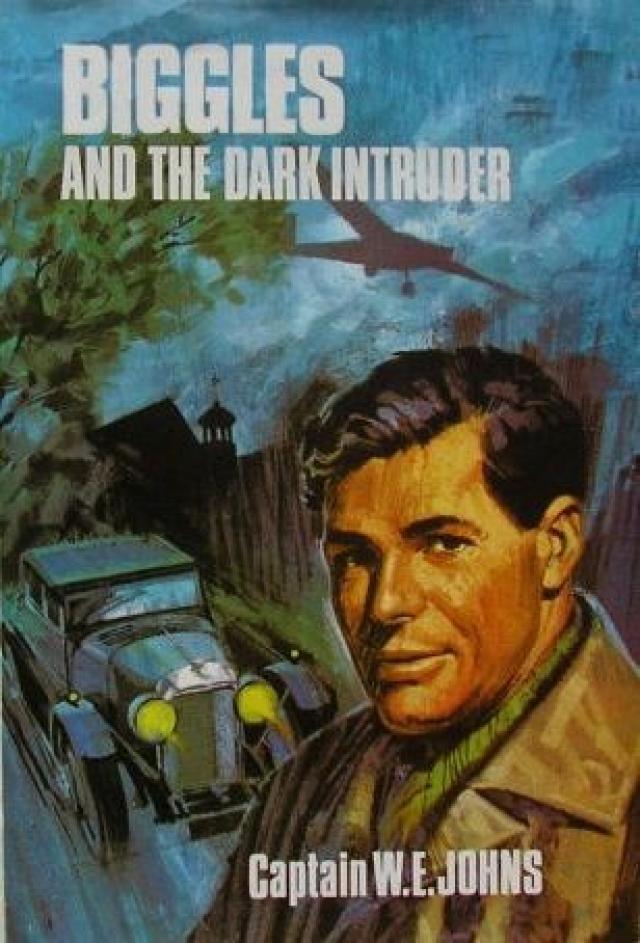
89 Biggles and the Dark Intruder (1967)
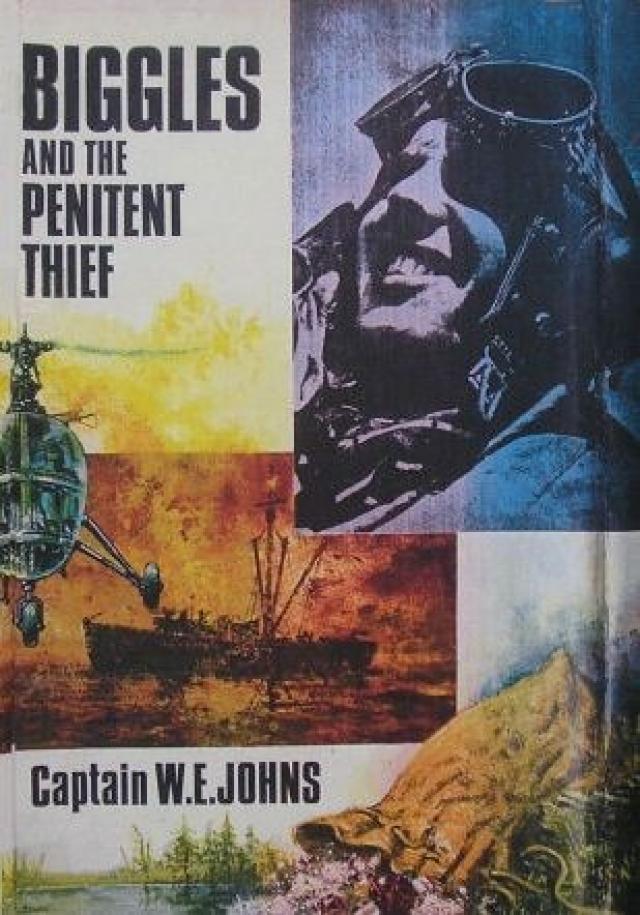
90 Biggles and the Penitent Thief (1967)
91 Biggles and the Deep Blue Sea (1968)
92 Boy Biggles (1968)
93 Biggles in the Underworld (1968)
94 Biggles and the Little Green God (1969)
95 Biggles and the Noble Lord (1969)
96 Biggles Sees Too Much (1970)
97 Biggles Does Some Homework (1997)
98 Biggles Air Ace (1999)
Biggles: The Authorized Biography by John Pearson
Biggles: The Camels Are Coming
The Camel closed up until it was flying beside him; the pilot smiling. Biggles showed his teeth in what he imagined to be an answering smile. 'You swine,' he breathed: 'you dirty, unutterable, murdering swine! I'm going to kill you if it's the last thing I do on earth.'Set in the last years of the First World War air combat has now become the order of the day and air duelling is a fine art. Biggles and his fellow pilots now have to contend with the enemy using their own British aircraft, a Sopwith Camel, to lure the British pilots to their deaths...
Biggles and Cruise of the Condor
A dull murmur, like distant thunder, reached their ears and brought Biggles to his feet with a rush. 'What is it?' he gasped.-At the first sound Dickpa had leapt for the flashlight. 'Quick,' he snapped, as the floor of the cave sagged sickeningly. 'Get out - it's an earthquake! Ah - stop!' he screamed. A visit to Biggles' uncle, Dickpa, lands Biggles, Algy and mechanic Smyth in a dangerous adventure looking for an ancient Inca treasure hoard.
Biggles of the Fighter Squadron
'Well if you want trouble you can have it!' grated Biggles through set teeth. 'See how you like this!'In the later stages of the First World War Biggles and his fellow fliers have to use all their wit and skill to stay ahead of the German fighters so determined to bring them down.
Biggles Flies Again
Stranded among the tropical swamps of British Guiana when the company employing him as a pilot folds up, he takes possession of the amphibian aircraft he is flying and proceeds to earn his living by undertaking dangerous missions by air.
Biggles Learns to Fly
He tilted the machine on to its side, holding up his nose with the throttle, and commenced to slip wing-tip first towards the ground. Whether he was over British or German territory he neither knew nor cared; he had to get on to the ground or be burnt alive.This is the story of the very beginning -- of the Air Service and of Biggles. It's the First World War and Biggles is just 17; the planes are primitive; combat tactics are non-existent; and pilots and their gunners communicate by hand signals and have no contact with the ground. This is where Biggles learns his craft and finds he has a certain aptitude for flying in battle...
Biggles and the Black Peril
When zero visibility forces Biggles to land his Vandal amphibian aircraft on the North Sea he thinks he's just got a spot of aeroplane bother. Bigger trouble is ahead for Biggles when he takes an unchartered ride in a flying boat manned by 'Blackbeard' - a cohort of the Russian Airfleet and accomplice in a plot to bomb Britain.
Biggles Flies East
Adventures with amazing flying machines!SHOT DOWNIt's the First World War, and in a desperate game of bluff and counterbluff Biggles is sent to work for the Germans while secretly reporting back to the British. Can he survive the eagle-eyed suspicions of Von Stalhein? How will he cope flying in combat against the British? The slightest mistake could cost Biggles his life . . . Join cult hero and flying ace Squadron Leader James Bigglesworth on another action-packed adventure!
Biggles Hits the Trail
Biggles always said it was his weirdest adventure. His adversaries being a group of Chinese that had come to England to assassinate his uncle - the twist being they had learnt the art of making themselves invisible!
Biggles In France
A burst of bullets struck Biggles' machine somewhere just behind him, and he jerked the control-stick back into his stomach. A Hun shot past his wing-tip, so close that Biggles flinched.'That's too close!' he muttered. 'Where the dickens are the S. E.'s?'Biggles battles through the First World War, honing his flying skills in terrifying battles against the finest fighters the enemy can supply. But he finds war provides more light-hearted adventures as well, and this collection of stories from early in Biggles' career combines the fun of being part of 266 squadron and the fear of deadly serious aerial combat.
Biggles and Co
'Now Listen, Bigglesworth; I'll tell you what I'm prepared to do, and you can please yourself what you do about it. Run this gang of crooks to earth, or point out to me the man that is at the head of it - or the chief operator in this country - and I'll make you a present of a cheque for ten thousand pounds.'Colonel Raymond from Intelligence persuades Biggles, Algy and Ginger to take on the challenge of transporting gold bullion and diamonds to France. Every other firm which has taken the job has failed and the gold has been stolen, the planes crashed or disappeared and the pilots have lost their lives. Biggles comes up with daring scheme after daring scheme, but then Algy is captured and held to ransom and Biggles finds that he's up against his old enemy - Von Stalhein
Biggles In Africa
A young Englishman, Harry Marton, flying from England to the Cape, disappeared in the heart of the African continent. He reached Malakal and let again for Juba, but somewhere between those two points all trace of him was lost.
Most people assumed that he was dead; but a year or so later his father called on Biggles with the request that he would make a further search for the missing airman, whom he believed to be still alive.
It was no small undertaking to make a detailed examination of a large section of African wilderness looking for one did not quite know what, unless it was a crashed aeroplane.
All the same, Biggles, accompanied by Algy Lacy and Ginger Hebblethwaite, takes on the job and discovers that there is a very real mystery surrounding the disappearance of young Marton.
Once again the skill, resourcefulness and audacity for which Biggles is renowned are brought into play to right a grave wrong.
Biggles Air Commodore
In "Biggles—Air Commodore," W. E. Johns crafts a thrilling narrative that captivates aviation enthusiasts and adventure seekers alike. Set against the backdrop of World War II, this novel follows the exploits of James Bigglesworth, or Biggles, as he transitions into the role of Air Commodore. Johns employs a lively third-person narrative rife with technical aviation details and vivid descriptions, creating immersive aerial dogfights and espionage encounters—elements that resonate with the early 20th-century social context of burgeoning aviation technology and its military implications. The blend of fast-paced action with rich characterization makes it a quintessential piece of adventure literature during an era fascinated by flight and heroism. W. E. Johns, a former pilot and an integral figure in British children's literature, drew inspiration from his own experiences in the Royal Flying Corps during World War I. His passion for aviation and storytelling intertwines throughout Biggles' adventures, as Johns channels themes of camaraderie, bravery, and the ethical dilemmas faced by pilots. His extensive background in aviation imbues authenticity to the narrative, making Biggles not just a fictional hero, but a reflection of the valiant aviators of his time. This novel is a must-read for anyone who appreciates the timeless themes of adventure and valor. It serves not only as enthralling entertainment but as a tribute to the heroic age of aviation, appealing to readers both young and old. Dive into the skies with Biggles and experience the excitement of aerial combat and adventure that has sparked imagination for generations.
Biggles Flies West
Out of the corner of his eyes Biggles saw Dick go overboard and disappear under the foam, but he could do nothing to help him. Indeed, as he fought to keep the flying-boat under control, it seemed certain that during the next minute or two the others must join him. Ashen, he looked at Algy. 'Jump when she hits!' he cried, in a shrill, strangled voice, and dived deliberately at the rocks. Biggles, Algy and Ginger help a young lad evade a violent thief and find themselves plunged into a dangerous treasure hunt searching for a long-lost pirate hoard of gold in the Caribbean.
Biggles Flies South
In "Biggles Flies South," W. E. Johns weaves an adventurous tale that follows the intrepid aviator Biggles and his daring exploits during the interwar period. Characterized by Johns' signature blend of fast-paced narrative and rich, evocative descriptions, the novel captures the essence of early aviation, heroism, and camaraderie. Set against the backdrop of the burgeoning aviation industry, the story reflects the societal fascination with flight and the underlying themes of adventure and exploration that permeated early 20th-century literature. W. E. Johns, a former pilot himself, drew inspiration from his own experiences in the Royal Flying Corps during World War I. His firsthand knowledge of aviation, coupled with a vivid imagination, enabled him to create captivating narratives that resonate with both the excitement of aerial combat and the complexities of personal relationships. This deep connection with the skies is crucial in understanding why Johns has become a seminal figure in the genre of aviation literature, particularly in the portrayal of the iconic character, Biggles. "Biggles Flies South" is a must-read for those who revel in tales of adventure and aviation history. Whether you are a long-time fan of Biggles or a newcomer to the series, this novel promises an exhilarating journey that celebrates the spirit of flight and the bravery of those who dare to explore the skies.
Biggles Goes to War
The escort fell in on either side of the prisoners, and at a word of command the party moved forward. Down the corridor it marched, and through an open door into a grim-looking courtyard. Across this it proceeded, and came to a halt against a wall on the far side.-Biggles glanced at the sky. It was just turning pink with the first flush of dawn. 'If Ginger is going to do the rescue act, he hasn't got much time left.' He observed calmly.-Algy said nothing. His face was pale. In the uneasy atmosphere of Europe between the two World Wars, Biggles, Algy and Ginger are persuaded to defend a small middle European country from an aggressive neighbour backed up by an unnamed Big Power.
Biggles and the Rescue Flight
Biggles helps two friends search for a missing brother, shot down behind the Lines Devastating news reaches sixteen-year-old Peter 'Thirty' Fortymore at his school in England: his older brother, Nigel, is missing in action, believed dead, after being shot down over the Western Front. Thirty is adamant that his brother may still be alive, and is determined to find him. With help of his best friend, Rip, Thirty runs away from school with a ridiculous and daring plan to get to France. The two boys successfully pose as officers in the R.F.C. and steal two Sopwith Camels to cross the Channel. A tumultuous journey lands them in hot water, only to be saved by a pilot from 266 Squadron, a certain James Bigglesworth. Far from home and in dangerous territory, Thirty and Rip have a daunting mission ahead. Will Biggles rumble the boys' wild plans? Can they rescue Nigel before it's too late? Join cult hero and flying ace Squadron Leader Biggles on another action-packed adventure!
Biggles In Spain
'Don't move yet. I'm going out of the front door. They'll rush me then. That's your chance to go out the back way. Got that?'-'Quite clear.'-'Good! But don't think I'm exaggerating. My chances of getting out of here alive are about one in a hundred. Yours are one in ten. They'll kill you without the slightest compunction if they think you're with me. I don't know what you're doing here, but it doesn't matter. Make for London. If you get there, tell them what happened.'Biggles, Algy and Ginger accidentally arrive in Spain during the civil war. After a chance encounter with a British Intelligence agent who passes them a coded message which has to be got back to the Ministry of Defence in London, they are involved in a desperate chase to get back home with the evil chief of Intelligence and Propaganda after them.
Biggles Flies North
Biggles is arrested for murder and theft!
Answering a call for help from an old friend, Biggles, Algy, Ginger and Smyth fly to Fort Beaver in Canada. There they intend to meet up with Wilks, or Captain Wilkinson of 187 Squadron as he used to be known.
Wilks has started a small airline business called 'Arctic Airways' but is having problems with a man named Jake 'Brindle' McBain and his cronies.
But when they arrive, Wilks is nowhere to be found, and Biggles gets an unfriendly reception...
A classic Biggles adventure, perfect for fans of Derek Robinson and Max Hennessy.
Biggles, Secret Agent
Biggles turns spy in his most dangerous adventure yet!
Professor Max Beklinder, a British explosives expert, has reportedly been killed in a car crash in his native Lucrania, now under the control of an increasingly bellicose Germany.
But when a British agent reports Beklinder has since been seen alive with the Chief of the Secret Police, the authorities need to confirm for certain whether he is alive or dead. He had been working on a powerful new weapon for Britain that cannot fall into enemy hands.
When several intelligence agents fail to report back, Britain calls on Biggles, who immediately agrees to parachute into Lucrania with Ginger. Together they must find Beklinder, dead or alive, and make it back to Blighty. Little do they know that their old nemesis, Erich von Stalheim, is in play...
Biggles lands with a bang in this pre-WW2 adventure, perfect for fans of Derek Robinson and Max Hennessy.
Biggles in the Baltic
War is declared, and Biggles is ready for action!
September 1939. Britain has declared war on Germany. Major James Bigglesworth, known to his friends as 'Biggles', is eager to get straight into the action alongside old friends Algernon 'Algy' Lacey and 'Ginger' Hebblethwaite. They don't have to wait long.
The British government has covertly acquired a small island in the Baltic, off the north coast of Germany. The island is unremarkable save for one feature: a natural sea cave, unknown to the Germans, large enough to house several aircraft.
Biggles' orders: wreak havoc on German forces for as long as possible without compromising the location of the secret base. It's a dangerous mission, for the might of the enemy military machine will be bent on finding them, led by Biggles' old nemesis, Erich von Stalhein.
Take to the skies in a classic Biggles adventure packed with heroism and feats of derring-do. Perfect for fans of Derek Robinson and Max Hennessy.
Biggles in the South Seas
In this installment of his South Seas adventures, Biggels' courage, agility, and quick thinking are once again put to the toughest tests. From page to page, readers are surprised by new twists and turns, and each time a danger is overcome or avoided after moments of gripping suspense, they breathe a sigh of relief. But Biggels proves himself.
Biggles Defies The Swastika
Biggles gets caught up in a game of spies!
Biggles is deep undercover on a reconnaissance operation in Norway. His alias: Norwegian citizen Sven Hendrik. His mission: to map useful landing sites for British aircraft.
But when the Germans invade without warning, Biggles finds himself trapped. Using his passable Norwegian, his fluent German and one hell of a bluff, he is able to pass himself off as a German sympathiser, and is quickly admitted into the German Air Force! This puts him in a unique position to gather vital information on the enemy, and British Air Intelligence instructs him to stay where he is.
Biggles must work quickly to send intelligence back home, whilst also helping the Germans track down a known British pilot believed to be in the area. Only, the pilot's name is familiar very familiar, in fact
Out in the cold and taking orders from both sides, Biggles' loyalty is put to the test.
Biggles Sees It Through
Biggles has a cold war.
November 1939. The Winter War between the Finns and the Soviets has begun, and Finland has called for international support. Biggles, Algy and Ginger have volunteered to help, and fly reconnaissance missions over the country on the lookout for Soviet troops and aircraft.
Quite by chance on one such flight, Biggles spots a lone figure at death's door in the snow, and lands to investigate. The man is Petolski, a Polish scientist. His plane crashed on the Finland–Russia border while he was trying to escape Occupied Poland with seven years' worth of experimental aircraft research. Rather than let it fall into enemy hands, he has hidden it somewhere near the downed plane.
The research cannot fall into enemy hands, and Biggles is ordered to retrieve it at all costs. But the Russians have found out about the research as well, and a party led by Biggles' nemesis, Erich von Stalhein, is already looking for it. The race is on!
Strap in...
Spitfire Parade
Biggles becomes the commander of a squadron of fighter jets, who are excellent pilots but behave very eccentrically on the ground.
Biggles in the Jungle
Biggles learns the law of the jungle.
It is the late 1930s. With the after-images of the Roaring Twenties fading and the world heading once more towards conflict, Biggles, Algy and Ginger head for tropical climes, and the trio layover in Belize.
While there, Biggles looks up his old pal Carruthers, Acting Governor of the territory, who is having problems. Someone – rumours abound about a self-styled 'King of the Forest' – is interrupting the flow of the nation's chief export, chicle, which is used to make chewing gum. In addition, three Americans have gone missing in the jungle, reportedly looking for treasure.
Belize has no air force, and so Biggles volunteers to take his amphibious aircraft, Wanderer, upriver to investigate...
Biggles flies again on another international adventure, perfect for fans of Derek Robinson and Max Hennessy.
Biggles Sweeps the Desert
Biggles Sweeps the Desert: A "Biggles" Squadron Story **
Biggles Charter Pilot
This contains 16 short stories all of which are unusual in that they consist of Ginger telling his comrades in 666 (Fighter) Squadron of his adventures with Biggles when they were chartered by Dr. Augustus Duck (nicknamed "Donald") to take him to investigate various strange phenomena.
Biggles in Borneo
Biggles, Algy and Ginger join the war in the Pacific when Captain Rex Larrymore, a pioneering prospector, approaches the Air Ministry with news that he has access to a secret airfield in the jungles of the Bornean mountains, unknown to the Japanese.
The gang quickly establish themselves at 'Lucky Strike' aerodrome, and launch surprise raids on targets of opportunity. After an auspicious start, things take a turn for the worse when Algy and Ginger are forced to make an emergency landing after discovering a poisonous krait snake has stowed away on their plane!
The Japanese spot the downed aircraft and capture Algy and Ginger. Biggles must find a way to rescue them, and fast...
Fly by the seat of your pants with Biggles on another classic WW2 adventure. Perfect for fans of Derek Robinson and Max Hennessy.
Biggles Fails to Return
'It is my opinion that Biggles is dead,' asserted the Air Commodore.
'I had already sensed that, Sir, but I don't believe it,' retorted Algy.
When Biggles undertakes a lone mission to rescue an Italian princess from Mussolini's Italy he doesn't know he's walking into a trap. Against all the odds he gets the princess to the aircraft ready to fly them back to safety, but he never reaches the plane. He's last seen wounded and surrounded by the enemy, but Algy, Ginger and Bertie refuse to accept that he's dead until they see the evidence themselves.
Biggles in the Orient
'You're out last hope, Bigglesworth,' said the Air Commodore, with something like despair in his voice.
The war supply route between Calcutta and China is a vital one but something is attacking the planes that fly it. Again and again pilots set off, only to disappear somewhere along the line, never to be seen again. When Biggles and his team are called in to investigatem, flying the route is close to a suicide mission . . .
Biggles Delivers The Goods
James Charles Bigglesworth, nicknamed "Biggles", is a fictional pilot and adventurer, the title character and hero of the Biggles series of adventure books, written for young readers by W. E. Johns (1893–1968). Biggles made his first appearance in the story "The White Fokker", published in the first issue of Popular Flying magazine and again as part of the first collection of Biggles stories, The Camels Are Coming (both 1932). Johns continued to write "Biggles books" until his death in 1968. The series eventually included nearly a hundred volumes – novels as well as short story collections – most of the latter with a common setting and time.
The chronology of the canon, spanning both world wars, set up certain inconsistencies over the unavoidable ageing of Biggles and his friends. Also later editions had to be somewhat edited in line with changing norms of acceptability, especially regarding race, and in view of the pre-teenage readership who increasingly favoured both the books and the comics.
Sergent Bigglesworth C.I.D
James Charles Bigglesworth, nicknamed "Biggles", is a fictional pilot and adventurer, the title character and hero of the Biggles series of adventure books, written for young readers by W. E. Johns (1893–1968). Biggles made his first appearance in the story "The White Fokker", published in the first issue of Popular Flying magazine and again as part of the first collection of Biggles stories, The Camels Are Coming (both 1932). Johns continued to write "Biggles books" until his death in 1968. The series eventually included nearly a hundred volumes – novels as well as short story collections – most of the latter with a common setting and time.
The chronology of the canon, spanning both world wars, set up certain inconsistencies over the unavoidable ageing of Biggles and his friends. Also later editions had to be somewhat edited in line with changing norms of acceptability, especially regarding race, and in view of the pre-teenage readership who increasingly favoured both the books and the comics.
Comrades In Arms
James Charles Bigglesworth, nicknamed "Biggles", is a fictional pilot and adventurer, the title character and hero of the Biggles series of adventure books, written for young readers by W. E. Johns (1893–1968). Biggles made his first appearance in the story "The White Fokker", published in the first issue of Popular Flying magazine and again as part of the first collection of Biggles stories, The Camels Are Coming (both 1932). Johns continued to write "Biggles books" until his death in 1968. The series eventually included nearly a hundred volumes – novels as well as short story collections – most of the latter with a common setting and time.
The chronology of the canon, spanning both world wars, set up certain inconsistencies over the unavoidable ageing of Biggles and his friends. Also later editions had to be somewhat edited in line with changing norms of acceptability, especially regarding race, and in view of the pre-teenage readership who increasingly favoured both the books and the comics.
Biggles Second Case
James Charles Bigglesworth, nicknamed "Biggles", is a fictional pilot and adventurer, the title character and hero of the Biggles series of adventure books, written for young readers by W. E. Johns (1893–1968). Biggles made his first appearance in the story "The White Fokker", published in the first issue of Popular Flying magazine and again as part of the first collection of Biggles stories, The Camels Are Coming (both 1932). Johns continued to write "Biggles books" until his death in 1968. The series eventually included nearly a hundred volumes – novels as well as short story collections – most of the latter with a common setting and time.
The chronology of the canon, spanning both world wars, set up certain inconsistencies over the unavoidable ageing of Biggles and his friends. Also later editions had to be somewhat edited in line with changing norms of acceptability, especially regarding race, and in view of the pre-teenage readership who increasingly favoured both the books and the comics.
Biggles Hunts Big Game
James Charles Bigglesworth, nicknamed "Biggles", is a fictional pilot and adventurer, the title character and hero of the Biggles series of adventure books, written for young readers by W. E. Johns (1893–1968). Biggles made his first appearance in the story "The White Fokker", published in the first issue of Popular Flying magazine and again as part of the first collection of Biggles stories, The Camels Are Coming (both 1932). Johns continued to write "Biggles books" until his death in 1968. The series eventually included nearly a hundred volumes – novels as well as short story collections – most of the latter with a common setting and time.
The chronology of the canon, spanning both world wars, set up certain inconsistencies over the unavoidable ageing of Biggles and his friends. Also later editions had to be somewhat edited in line with changing norms of acceptability, especially regarding race, and in view of the pre-teenage readership who increasingly favoured both the books and the comics.
Biggles Takes a Holiday
There's trouble in paradise for Biggles...
Biggles is summoned suddenly to the London Hospital for Tropical Diseases, where he hears the deathbed revelations of a man named Linton, who has a message from a mutual friend, Angus Mackail. Linton and Angus, alongside many others, were duped into investing in farmland reclaimed from the jungle in central South America, an area known as Paradise Valley.
But this is no second Eden. The 'investors' swiftly found themselves as little more than slaves working the land for the owner of the valley, the enigmatic and silver-tongued Dr Leibgarten. Imprisoned by the lethal jungle and desert surrounding the valley, it took a superhuman effort for Linton to escape, and costs him his life to deliver the warning.
Determined to rescue Angus and the other captives, Biggles wastes no time in getting Algy, Ginger and Bertie on the case, and takes to the skies. But they swiftly find out there is far more going on in Paradise Valley than...
Biggles Breaks The Silence
James Charles Bigglesworth, nicknamed "Biggles", is a fictional pilot and adventurer, the title character and hero of the Biggles series of adventure books, written for young readers by W. E. Johns (1893–1968). Biggles made his first appearance in the story "The White Fokker", published in the first issue of Popular Flying magazine and again as part of the first collection of Biggles stories, The Camels Are Coming (both 1932). Johns continued to write "Biggles books" until his death in 1968. The series eventually included nearly a hundred volumes – novels as well as short story collections – most of the latter with a common setting and time.
The chronology of the canon, spanning both world wars, set up certain inconsistencies over the unavoidable ageing of Biggles and his friends. Also later editions had to be somewhat edited in line with changing norms of acceptability, especially regarding race, and in view of the pre-teenage readership who increasingly favoured both the books and the comics.
Biggles Gets His Men
James Charles Bigglesworth, nicknamed "Biggles", is a fictional pilot and adventurer, the title character and hero of the Biggles series of adventure books, written for young readers by W. E. Johns (1893–1968). Biggles made his first appearance in the story "The White Fokker", published in the first issue of Popular Flying magazine and again as part of the first collection of Biggles stories, The Camels Are Coming (both 1932). Johns continued to write "Biggles books" until his death in 1968. The series eventually included nearly a hundred volumes – novels as well as short story collections – most of the latter with a common setting and time.
The chronology of the canon, spanning both world wars, set up certain inconsistencies over the unavoidable ageing of Biggles and his friends. Also later editions had to be somewhat edited in line with changing norms of acceptability, especially regarding race, and in view of the pre-teenage readership who increasingly favoured both the books and the comics.
Another Job For Biggles
James Charles Bigglesworth, nicknamed "Biggles", is a fictional pilot and adventurer, the title character and hero of the Biggles series of adventure books, written for young readers by W. E. Johns (1893–1968). Biggles made his first appearance in the story "The White Fokker", published in the first issue of Popular Flying magazine and again as part of the first collection of Biggles stories, The Camels Are Coming (both 1932). Johns continued to write "Biggles books" until his death in 1968. The series eventually included nearly a hundred volumes – novels as well as short story collections – most of the latter with a common setting and time.
The chronology of the canon, spanning both world wars, set up certain inconsistencies over the unavoidable ageing of Biggles and his friends. Also later editions had to be somewhat edited in line with changing norms of acceptability, especially regarding race, and in view of the pre-teenage readership who increasingly favoured both the books and the comics.
Biggles Goes To School
James Charles Bigglesworth, nicknamed "Biggles", is a fictional pilot and adventurer, the title character and hero of the Biggles series of adventure books, written for young readers by W. E. Johns (1893–1968). Biggles made his first appearance in the story "The White Fokker", published in the first issue of Popular Flying magazine and again as part of the first collection of Biggles stories, The Camels Are Coming (both 1932). Johns continued to write "Biggles books" until his death in 1968. The series eventually included nearly a hundred volumes – novels as well as short story collections – most of the latter with a common setting and time.
The chronology of the canon, spanning both world wars, set up certain inconsistencies over the unavoidable ageing of Biggles and his friends. Also later editions had to be somewhat edited in line with changing norms of acceptability, especially regarding race, and in view of the pre-teenage readership who increasingly favoured both the books and the comics.
Biggles Works It Out
James Charles Bigglesworth, nicknamed "Biggles", is a fictional pilot and adventurer, the title character and hero of the Biggles series of adventure books, written for young readers by W. E. Johns (1893–1968). Biggles made his first appearance in the story "The White Fokker", published in the first issue of Popular Flying magazine and again as part of the first collection of Biggles stories, The Camels Are Coming (both 1932). Johns continued to write "Biggles books" until his death in 1968. The series eventually included nearly a hundred volumes – novels as well as short story collections – most of the latter with a common setting and time.
The chronology of the canon, spanning both world wars, set up certain inconsistencies over the unavoidable ageing of Biggles and his friends. Also later editions had to be somewhat edited in line with changing norms of acceptability, especially regarding race, and in view of the pre-teenage readership who increasingly favoured both the books and the comics.
Biggles Takes The Case
James Charles Bigglesworth, nicknamed "Biggles", is a fictional pilot and adventurer, the title character and hero of the Biggles series of adventure books, written for young readers by W. E. Johns (1893–1968). Biggles made his first appearance in the story "The White Fokker", published in the first issue of Popular Flying magazine and again as part of the first collection of Biggles stories, The Camels Are Coming (both 1932). Johns continued to write "Biggles books" until his death in 1968. The series eventually included nearly a hundred volumes – novels as well as short story collections – most of the latter with a common setting and time.
The chronology of the canon, spanning both world wars, set up certain inconsistencies over the unavoidable ageing of Biggles and his friends. Also later editions had to be somewhat edited in line with changing norms of acceptability, especially regarding race, and in view of the pre-teenage readership who increasingly favoured both the books and the comics.
Biggles Follows On
James Charles Bigglesworth, nicknamed "Biggles", is a fictional pilot and adventurer, the title character and hero of the Biggles series of adventure books, written for young readers by W. E. Johns (1893–1968). Biggles made his first appearance in the story "The White Fokker", published in the first issue of Popular Flying magazine and again as part of the first collection of Biggles stories, The Camels Are Coming (both 1932). Johns continued to write "Biggles books" until his death in 1968. The series eventually included nearly a hundred volumes – novels as well as short story collections – most of the latter with a common setting and time.
The chronology of the canon, spanning both world wars, set up certain inconsistencies over the unavoidable ageing of Biggles and his friends. Also later editions had to be somewhat edited in line with changing norms of acceptability, especially regarding race, and in view of the pre-teenage readership who increasingly favoured both the books and the comics.
Biggles Air Detective
This contains seven short stories. They are all Air Police stories and are as follows: THE CASE OF THE BLACK SHEEP An ex-RAF Officer is using his aircraft to smuggle nylons into the UK, picking them up from a ship. THE CASE OF THE VISITING SULTAN A notorious US gangster is planning to attack a Sultan's aircraft in order to steal his diamonds. THE CASE OF THE UNREGISTERED OPERATOR Biggles goes to prison in order to uncover an illegal air transportation operation for criminals. THE CASE OF THE WOUNDED AGENT Biggles is sent on a special assignment to save a secret agent, and his information, from Bulgaria. THE CASE OF THE BRILLIANT PUPIL An excellent flying pupil, who already knows how to fly, is using his solo flights for illegal reasons. THE CASE OF THE MURDERED APPRENTICE Biggles uncovers a smuggling operation from Holland when investigating why a man was murdered. THE CASE OF THE STOLEN AIRCRAFT A man who has designed a new plane is stealing aircraft for the aviation fuel they contain.
Biggles and the Black Raider
James Charles Bigglesworth, nicknamed "Biggles", is a fictional pilot and adventurer, the title character and hero of the Biggles series of adventure books, written for young readers by W. E. Johns (1893–1968). Biggles made his first appearance in the story "The White Fokker", published in the first issue of Popular Flying magazine and again as part of the first collection of Biggles stories, The Camels Are Coming (both 1932). Johns continued to write "Biggles books" until his death in 1968. The series eventually included nearly a hundred volumes – novels as well as short story collections – most of the latter with a common setting and time.
The chronology of the canon, spanning both world wars, set up certain inconsistencies over the unavoidable ageing of Biggles and his friends. Also later editions had to be somewhat edited in line with changing norms of acceptability, especially regarding race, and in view of the pre-teenage readership who increasingly favoured both the books and the comics.
Biggles in the Blue
James Charles Bigglesworth, nicknamed "Biggles", is a fictional pilot and adventurer, the title character and hero of the Biggles series of adventure books, written for young readers by W. E. Johns (1893–1968). Biggles made his first appearance in the story "The White Fokker", published in the first issue of Popular Flying magazine and again as part of the first collection of Biggles stories, The Camels Are Coming (both 1932). Johns continued to write "Biggles books" until his death in 1968. The series eventually included nearly a hundred volumes – novels as well as short story collections – most of the latter with a common setting and time.
The chronology of the canon, spanning both world wars, set up certain inconsistencies over the unavoidable ageing of Biggles and his friends. Also later editions had to be somewhat edited in line with changing norms of acceptability, especially regarding race, and in view of the pre-teenage readership who increasingly favoured both the books and the comics.
Biggles in the Gobi
James Charles Bigglesworth, nicknamed "Biggles", is a fictional pilot and adventurer, the title character and hero of the Biggles series of adventure books, written for young readers by W. E. Johns (1893–1968). Biggles made his first appearance in the story "The White Fokker", published in the first issue of Popular Flying magazine and again as part of the first collection of Biggles stories, The Camels Are Coming (both 1932). Johns continued to write "Biggles books" until his death in 1968. The series eventually included nearly a hundred volumes – novels as well as short story collections – most of the latter with a common setting and time.
The chronology of the canon, spanning both world wars, set up certain inconsistencies over the unavoidable ageing of Biggles and his friends. Also later editions had to be somewhat edited in line with changing norms of acceptability, especially regarding race, and in view of the pre-teenage readership who increasingly favoured both the books and the comics.
Biggles of The Special Air Police
James Charles Bigglesworth, nicknamed "Biggles", is a fictional pilot and adventurer, the title character and hero of the Biggles series of adventure books, written for young readers by W. E. Johns (1893–1968). Biggles made his first appearance in the story "The White Fokker", published in the first issue of Popular Flying magazine and again as part of the first collection of Biggles stories, The Camels Are Coming (both 1932). Johns continued to write "Biggles books" until his death in 1968. The series eventually included nearly a hundred volumes – novels as well as short story collections – most of the latter with a common setting and time.
The chronology of the canon, spanning both world wars, set up certain inconsistencies over the unavoidable ageing of Biggles and his friends. Also later editions had to be somewhat edited in line with changing norms of acceptability, especially regarding race, and in view of the pre-teenage readership who increasingly favoured both the books and the comics.
Biggles Cuts It Fine
James Charles Bigglesworth, nicknamed "Biggles", is a fictional pilot and adventurer, the title character and hero of the Biggles series of adventure books, written for young readers by W. E. Johns (1893–1968). Biggles made his first appearance in the story "The White Fokker", published in the first issue of Popular Flying magazine and again as part of the first collection of Biggles stories, The Camels Are Coming (both 1932). Johns continued to write "Biggles books" until his death in 1968. The series eventually included nearly a hundred volumes – novels as well as short story collections – most of the latter with a common setting and time.
The chronology of the canon, spanning both world wars, set up certain inconsistencies over the unavoidable ageing of Biggles and his friends. Also later editions had to be somewhat edited in line with changing norms of acceptability, especially regarding race, and in view of the pre-teenage readership who increasingly favoured both the books and the comics.
Biggles and the Pirate Treasure
James Charles Bigglesworth, nicknamed "Biggles", is a fictional pilot and adventurer, the title character and hero of the Biggles series of adventure books, written for young readers by W. E. Johns (1893–1968). Biggles made his first appearance in the story "The White Fokker", published in the first issue of Popular Flying magazine and again as part of the first collection of Biggles stories, The Camels Are Coming (both 1932). Johns continued to write "Biggles books" until his death in 1968. The series eventually included nearly a hundred volumes – novels as well as short story collections – most of the latter with a common setting and time.
The chronology of the canon, spanning both world wars, set up certain inconsistencies over the unavoidable ageing of Biggles and his friends. Also later editions had to be somewhat edited in line with changing norms of acceptability, especially regarding race, and in view of the pre-teenage readership who increasingly favoured both the books and the comics.
Biggles and the Pirate Treasure
James Charles Bigglesworth, nicknamed "Biggles", is a fictional pilot and adventurer, the title character and hero of the Biggles series of adventure books, written for young readers by W. E. Johns (1893–1968). Biggles made his first appearance in the story "The White Fokker", published in the first issue of Popular Flying magazine and again as part of the first collection of Biggles stories, The Camels Are Coming (both 1932). Johns continued to write "Biggles books" until his death in 1968. The series eventually included nearly a hundred volumes – novels as well as short story collections – most of the latter with a common setting and time.
The chronology of the canon, spanning both world wars, set up certain inconsistencies over the unavoidable ageing of Biggles and his friends. Also later editions had to be somewhat edited in line with changing norms of acceptability, especially regarding race, and in view of the pre-teenage readership who increasingly favoured both the books and the comics.
Biggles Foreign Legionaire
James Charles Bigglesworth, nicknamed "Biggles", is a fictional pilot and adventurer, the title character and hero of the Biggles series of adventure books, written for young readers by W. E. Johns (1893–1968). Biggles made his first appearance in the story "The White Fokker", published in the first issue of Popular Flying magazine and again as part of the first collection of Biggles stories, The Camels Are Coming (both 1932). Johns continued to write "Biggles books" until his death in 1968. The series eventually included nearly a hundred volumes – novels as well as short story collections – most of the latter with a common setting and time.
The chronology of the canon, spanning both world wars, set up certain inconsistencies over the unavoidable ageing of Biggles and his friends. Also later editions had to be somewhat edited in line with changing norms of acceptability, especially regarding race, and in view of the pre-teenage readership who increasingly favoured both the books and the comics.
Biggles In Australia
James Charles Bigglesworth, nicknamed "Biggles", is a fictional pilot and adventurer, the title character and hero of the Biggles series of adventure books, written for young readers by W. E. Johns (1893–1968). Biggles made his first appearance in the story "The White Fokker", published in the first issue of Popular Flying magazine and again as part of the first collection of Biggles stories, The Camels Are Coming (both 1932). Johns continued to write "Biggles books" until his death in 1968. The series eventually included nearly a hundred volumes – novels as well as short story collections – most of the latter with a common setting and time.
The chronology of the canon, spanning both world wars, set up certain inconsistencies over the unavoidable ageing of Biggles and his friends. Also later editions had to be somewhat edited in line with changing norms of acceptability, especially regarding race, and in view of the pre-teenage readership who increasingly favoured both the books and the comics.
Biggles Chinese Puzzle
James Charles Bigglesworth, nicknamed "Biggles", is a fictional pilot and adventurer, the title character and hero of the Biggles series of adventure books, written for young readers by W. E. Johns (1893–1968). Biggles made his first appearance in the story "The White Fokker", published in the first issue of Popular Flying magazine and again as part of the first collection of Biggles stories, The Camels Are Coming (both 1932). Johns continued to write "Biggles books" until his death in 1968. The series eventually included nearly a hundred volumes – novels as well as short story collections – most of the latter with a common setting and time.
The chronology of the canon, spanning both world wars, set up certain inconsistencies over the unavoidable ageing of Biggles and his friends. Also later editions had to be somewhat edited in line with changing norms of acceptability, especially regarding race, and in view of the pre-teenage readership who increasingly favoured both the books and the comics.
Biggles of 266
James Charles Bigglesworth, nicknamed "Biggles", is a fictional pilot and adventurer, the title character and hero of the Biggles series of adventure books, written for young readers by W. E. Johns (1893–1968). Biggles made his first appearance in the story "The White Fokker", published in the first issue of Popular Flying magazine and again as part of the first collection of Biggles stories, The Camels Are Coming (both 1932). Johns continued to write "Biggles books" until his death in 1968. The series eventually included nearly a hundred volumes – novels as well as short story collections – most of the latter with a common setting and time.
The chronology of the canon, spanning both world wars, set up certain inconsistencies over the unavoidable ageing of Biggles and his friends. Also later editions had to be somewhat edited in line with changing norms of acceptability, especially regarding race, and in view of the pre-teenage readership who increasingly favoured both the books and the comics.
No Rest For Biggles
James Charles Bigglesworth, nicknamed "Biggles", is a fictional pilot and adventurer, the title character and hero of the Biggles series of adventure books, written for young readers by W. E. Johns (1893–1968). Biggles made his first appearance in the story "The White Fokker", published in the first issue of Popular Flying magazine and again as part of the first collection of Biggles stories, The Camels Are Coming (both 1932). Johns continued to write "Biggles books" until his death in 1968. The series eventually included nearly a hundred volumes – novels as well as short story collections – most of the latter with a common setting and time.
The chronology of the canon, spanning both world wars, set up certain inconsistencies over the unavoidable ageing of Biggles and his friends. Also later editions had to be somewhat edited in line with changing norms of acceptability, especially regarding race, and in view of the pre-teenage readership who increasingly favoured both the books and the comics.
Biggles Takes Charge
James Charles Bigglesworth, nicknamed "Biggles", is a fictional pilot and adventurer, the title character and hero of the Biggles series of adventure books, written for young readers by W. E. Johns (1893–1968). Biggles made his first appearance in the story "The White Fokker", published in the first issue of Popular Flying magazine and again as part of the first collection of Biggles stories, The Camels Are Coming (both 1932). Johns continued to write "Biggles books" until his death in 1968. The series eventually included nearly a hundred volumes – novels as well as short story collections – most of the latter with a common setting and time.
The chronology of the canon, spanning both world wars, set up certain inconsistencies over the unavoidable ageing of Biggles and his friends. Also later editions had to be somewhat edited in line with changing norms of acceptability, especially regarding race, and in view of the pre-teenage readership who increasingly favoured both the books and the comics.
Biggles Makes Ends Meet
James Charles Bigglesworth, nicknamed "Biggles", is a fictional pilot and adventurer, the title character and hero of the Biggles series of adventure books, written for young readers by W. E. Johns (1893–1968). Biggles made his first appearance in the story "The White Fokker", published in the first issue of Popular Flying magazine and again as part of the first collection of Biggles stories, The Camels Are Coming (both 1932). Johns continued to write "Biggles books" until his death in 1968. The series eventually included nearly a hundred volumes – novels as well as short story collections – most of the latter with a common setting and time.
The chronology of the canon, spanning both world wars, set up certain inconsistencies over the unavoidable ageing of Biggles and his friends. Also later editions had to be somewhat edited in line with changing norms of acceptability, especially regarding race, and in view of the pre-teenage readership who increasingly favoured both the books and the comics.
Biggles of the Interpol
James Charles Bigglesworth, nicknamed "Biggles", is a fictional pilot and adventurer, the title character and hero of the Biggles series of adventure books, written for young readers by W. E. Johns (1893–1968). Biggles made his first appearance in the story "The White Fokker", published in the first issue of Popular Flying magazine and again as part of the first collection of Biggles stories, The Camels Are Coming (both 1932). Johns continued to write "Biggles books" until his death in 1968. The series eventually included nearly a hundred volumes – novels as well as short story collections – most of the latter with a common setting and time.
The chronology of the canon, spanning both world wars, set up certain inconsistencies over the unavoidable ageing of Biggles and his friends. Also later editions had to be somewhat edited in line with changing norms of acceptability, especially regarding race, and in view of the pre-teenage readership who increasingly favoured both the books and the comics.
Biggles on the Home Front
James Charles Bigglesworth, nicknamed "Biggles", is a fictional pilot and adventurer, the title character and hero of the Biggles series of adventure books, written for young readers by W. E. Johns (1893–1968). Biggles made his first appearance in the story "The White Fokker", published in the first issue of Popular Flying magazine and again as part of the first collection of Biggles stories, The Camels Are Coming (both 1932). Johns continued to write "Biggles books" until his death in 1968. The series eventually included nearly a hundred volumes – novels as well as short story collections – most of the latter with a common setting and time.
The chronology of the canon, spanning both world wars, set up certain inconsistencies over the unavoidable ageing of Biggles and his friends. Also later editions had to be somewhat edited in line with changing norms of acceptability, especially regarding race, and in view of the pre-teenage readership who increasingly favoured both the books and the comics.
Biggles Presses On
James Charles Bigglesworth, nicknamed "Biggles", is a fictional pilot and adventurer, the title character and hero of the Biggles series of adventure books, written for young readers by W. E. Johns (1893–1968). Biggles made his first appearance in the story "The White Fokker", published in the first issue of Popular Flying magazine and again as part of the first collection of Biggles stories, The Camels Are Coming (both 1932). Johns continued to write "Biggles books" until his death in 1968. The series eventually included nearly a hundred volumes – novels as well as short story collections – most of the latter with a common setting and time.
The chronology of the canon, spanning both world wars, set up certain inconsistencies over the unavoidable ageing of Biggles and his friends. Also later editions had to be somewhat edited in line with changing norms of acceptability, especially regarding race, and in view of the pre-teenage readership who increasingly favoured both the books and the comics.
Biggles on Mystery Island
James Charles Bigglesworth, nicknamed "Biggles", is a fictional pilot and adventurer, the title character and hero of the Biggles series of adventure books, written for young readers by W. E. Johns (1893–1968). Biggles made his first appearance in the story "The White Fokker", published in the first issue of Popular Flying magazine and again as part of the first collection of Biggles stories, The Camels Are Coming (both 1932). Johns continued to write "Biggles books" until his death in 1968. The series eventually included nearly a hundred volumes – novels as well as short story collections – most of the latter with a common setting and time.
The chronology of the canon, spanning both world wars, set up certain inconsistencies over the unavoidable ageing of Biggles and his friends. Also later editions had to be somewhat edited in line with changing norms of acceptability, especially regarding race, and in view of the pre-teenage readership who increasingly favoured both the books and the comics.
Biggles Buries a Hatchet
James Charles Bigglesworth, nicknamed "Biggles", is a fictional pilot and adventurer, the title character and hero of the Biggles series of adventure books, written for young readers by W. E. Johns (1893–1968). Biggles made his first appearance in the story "The White Fokker", published in the first issue of Popular Flying magazine and again as part of the first collection of Biggles stories, The Camels Are Coming (both 1932). Johns continued to write "Biggles books" until his death in 1968. The series eventually included nearly a hundred volumes – novels as well as short story collections – most of the latter with a common setting and time.
The chronology of the canon, spanning both world wars, set up certain inconsistencies over the unavoidable ageing of Biggles and his friends. Also later editions had to be somewhat edited in line with changing norms of acceptability, especially regarding race, and in view of the pre-teenage readership who increasingly favoured both the books and the comics.
Biggles in Mexico
James Charles Bigglesworth, nicknamed "Biggles", is a fictional pilot and adventurer, the title character and hero of the Biggles series of adventure books, written for young readers by W. E. Johns (1893–1968). Biggles made his first appearance in the story "The White Fokker", published in the first issue of Popular Flying magazine and again as part of the first collection of Biggles stories, The Camels Are Coming (both 1932). Johns continued to write "Biggles books" until his death in 1968. The series eventually included nearly a hundred volumes – novels as well as short story collections – most of the latter with a common setting and time.
The chronology of the canon, spanning both world wars, set up certain inconsistencies over the unavoidable ageing of Biggles and his friends. Also later editions had to be somewhat edited in line with changing norms of acceptability, especially regarding race, and in view of the pre-teenage readership who increasingly favoured both the books and the comics.
Biggles' Combined Operation
James Charles Bigglesworth, nicknamed "Biggles", is a fictional pilot and adventurer, the title character and hero of the Biggles series of adventure books, written for young readers by W. E. Johns (1893–1968). Biggles made his first appearance in the story "The White Fokker", published in the first issue of Popular Flying magazine and again as part of the first collection of Biggles stories, The Camels Are Coming (both 1932). Johns continued to write "Biggles books" until his death in 1968. The series eventually included nearly a hundred volumes – novels as well as short story collections – most of the latter with a common setting and time.
The chronology of the canon, spanning both world wars, set up certain inconsistencies over the unavoidable ageing of Biggles and his friends. Also later editions had to be somewhat edited in line with changing norms of acceptability, especially regarding race, and in view of the pre-teenage readership who increasingly favoured both the books and the comics.
Biggles at World's End
James Charles Bigglesworth, nicknamed "Biggles", is a fictional pilot and adventurer, the title character and hero of the Biggles series of adventure books, written for young readers by W. E. Johns (1893–1968). Biggles made his first appearance in the story "The White Fokker", published in the first issue of Popular Flying magazine and again as part of the first collection of Biggles stories, The Camels Are Coming (both 1932). Johns continued to write "Biggles books" until his death in 1968. The series eventually included nearly a hundred volumes – novels as well as short story collections – most of the latter with a common setting and time.
The chronology of the canon, spanning both world wars, set up certain inconsistencies over the unavoidable ageing of Biggles and his friends. Also later editions had to be somewhat edited in line with changing norms of acceptability, especially regarding race, and in view of the pre-teenage readership who increasingly favoured both the books and the comics.
Biggles and the Leopards of Zinn
James Charles Bigglesworth, nicknamed "Biggles", is a fictional pilot and adventurer, the title character and hero of the Biggles series of adventure books, written for young readers by W. E. Johns (1893–1968). Biggles made his first appearance in the story "The White Fokker", published in the first issue of Popular Flying magazine and again as part of the first collection of Biggles stories, The Camels Are Coming (both 1932). Johns continued to write "Biggles books" until his death in 1968. The series eventually included nearly a hundred volumes – novels as well as short story collections – most of the latter with a common setting and time.
The chronology of the canon, spanning both world wars, set up certain inconsistencies over the unavoidable ageing of Biggles and his friends. Also later editions had to be somewhat edited in line with changing norms of acceptability, especially regarding race, and in view of the pre-teenage readership who increasingly favoured both the books and the comics.
Biggles Goes Home
James Charles Bigglesworth, nicknamed "Biggles", is a fictional pilot and adventurer, the title character and hero of the Biggles series of adventure books, written for young readers by W. E. Johns (1893–1968). Biggles made his first appearance in the story "The White Fokker", published in the first issue of Popular Flying magazine and again as part of the first collection of Biggles stories, The Camels Are Coming (both 1932). Johns continued to write "Biggles books" until his death in 1968. The series eventually included nearly a hundred volumes – novels as well as short story collections – most of the latter with a common setting and time.
The chronology of the canon, spanning both world wars, set up certain inconsistencies over the unavoidable ageing of Biggles and his friends. Also later editions had to be somewhat edited in line with changing norms of acceptability, especially regarding race, and in view of the pre-teenage readership who increasingly favoured both the books and the comics.
Biggles and the Poor Rich Boy
James Charles Bigglesworth, nicknamed "Biggles", is a fictional pilot and adventurer, the title character and hero of the Biggles series of adventure books, written for young readers by W. E. Johns (1893–1968). Biggles made his first appearance in the story "The White Fokker", published in the first issue of Popular Flying magazine and again as part of the first collection of Biggles stories, The Camels Are Coming (both 1932). Johns continued to write "Biggles books" until his death in 1968. The series eventually included nearly a hundred volumes – novels as well as short story collections – most of the latter with a common setting and time.
The chronology of the canon, spanning both world wars, set up certain inconsistencies over the unavoidable ageing of Biggles and his friends. Also later editions had to be somewhat edited in line with changing norms of acceptability, especially regarding race, and in view of the pre-teenage readership who increasingly favoured both the books and the comics.
Biggles Forms a Syndicate
James Charles Bigglesworth, nicknamed "Biggles", is a fictional pilot and adventurer, the title character and hero of the Biggles series of adventure books, written for young readers by W. E. Johns (1893–1968). Biggles made his first appearance in the story "The White Fokker", published in the first issue of Popular Flying magazine and again as part of the first collection of Biggles stories, The Camels Are Coming (both 1932). Johns continued to write "Biggles books" until his death in 1968. The series eventually included nearly a hundred volumes – novels as well as short story collections – most of the latter with a common setting and time.
The chronology of the canon, spanning both world wars, set up certain inconsistencies over the unavoidable ageing of Biggles and his friends. Also later editions had to be somewhat edited in line with changing norms of acceptability, especially regarding race, and in view of the pre-teenage readership who increasingly favoured both the books and the comics.
Biggles and the Missing Millionaire
James Charles Bigglesworth, nicknamed "Biggles", is a fictional pilot and adventurer, the title character and hero of the Biggles series of adventure books, written for young readers by W. E. Johns (1893–1968). Biggles made his first appearance in the story "The White Fokker", published in the first issue of Popular Flying magazine and again as part of the first collection of Biggles stories, The Camels Are Coming (both 1932). Johns continued to write "Biggles books" until his death in 1968. The series eventually included nearly a hundred volumes – novels as well as short story collections – most of the latter with a common setting and time.
The chronology of the canon, spanning both world wars, set up certain inconsistencies over the unavoidable ageing of Biggles and his friends. Also later editions had to be somewhat edited in line with changing norms of acceptability, especially regarding race, and in view of the pre-teenage readership who increasingly favoured both the books and the comics.
Biggles Goes Alone
James Charles Bigglesworth, nicknamed "Biggles", is a fictional pilot and adventurer, the title character and hero of the Biggles series of adventure books, written for young readers by W. E. Johns (1893–1968). Biggles made his first appearance in the story "The White Fokker", published in the first issue of Popular Flying magazine and again as part of the first collection of Biggles stories, The Camels Are Coming (both 1932). Johns continued to write "Biggles books" until his death in 1968. The series eventually included nearly a hundred volumes – novels as well as short story collections – most of the latter with a common setting and time.
The chronology of the canon, spanning both world wars, set up certain inconsistencies over the unavoidable ageing of Biggles and his friends. Also later editions had to be somewhat edited in line with changing norms of acceptability, especially regarding race, and in view of the pre-teenage readership who increasingly favoured both the books and the comics.
Orchids for Biggles
James Charles Bigglesworth, nicknamed "Biggles", is a fictional pilot and adventurer, the title character and hero of the Biggles series of adventure books, written for young readers by W. E. Johns (1893–1968). Biggles made his first appearance in the story "The White Fokker", published in the first issue of Popular Flying magazine and again as part of the first collection of Biggles stories, The Camels Are Coming (both 1932). Johns continued to write "Biggles books" until his death in 1968. The series eventually included nearly a hundred volumes – novels as well as short story collections – most of the latter with a common setting and time.
The chronology of the canon, spanning both world wars, set up certain inconsistencies over the unavoidable ageing of Biggles and his friends. Also later editions had to be somewhat edited in line with changing norms of acceptability, especially regarding race, and in view of the pre-teenage readership who increasingly favoured both the books and the comics.
Biggles Sets a Trap
James Charles Bigglesworth, nicknamed "Biggles", is a fictional pilot and adventurer, the title character and hero of the Biggles series of adventure books, written for young readers by W. E. Johns (1893–1968). Biggles made his first appearance in the story "The White Fokker", published in the first issue of Popular Flying magazine and again as part of the first collection of Biggles stories, The Camels Are Coming (both 1932). Johns continued to write "Biggles books" until his death in 1968. The series eventually included nearly a hundred volumes – novels as well as short story collections – most of the latter with a common setting and time.
The chronology of the canon, spanning both world wars, set up certain inconsistencies over the unavoidable ageing of Biggles and his friends. Also later editions had to be somewhat edited in line with changing norms of acceptability, especially regarding race, and in view of the pre-teenage readership who increasingly favoured both the books and the comics.
Biggles Takes it Rough
James Charles Bigglesworth, nicknamed "Biggles", is a fictional pilot and adventurer, the title character and hero of the Biggles series of adventure books, written for young readers by W. E. Johns (1893–1968). Biggles made his first appearance in the story "The White Fokker", published in the first issue of Popular Flying magazine and again as part of the first collection of Biggles stories, The Camels Are Coming (both 1932). Johns continued to write "Biggles books" until his death in 1968. The series eventually included nearly a hundred volumes – novels as well as short story collections – most of the latter with a common setting and time.
The chronology of the canon, spanning both world wars, set up certain inconsistencies over the unavoidable ageing of Biggles and his friends. Also later editions had to be somewhat edited in line with changing norms of acceptability, especially regarding race, and in view of the pre-teenage readership who increasingly favoured both the books and the comics.
Biggles Takes a Hand
James Charles Bigglesworth, nicknamed "Biggles", is a fictional pilot and adventurer, the title character and hero of the Biggles series of adventure books, written for young readers by W. E. Johns (1893–1968). Biggles made his first appearance in the story "The White Fokker", published in the first issue of Popular Flying magazine and again as part of the first collection of Biggles stories, The Camels Are Coming (both 1932). Johns continued to write "Biggles books" until his death in 1968. The series eventually included nearly a hundred volumes – novels as well as short story collections – most of the latter with a common setting and time.
The chronology of the canon, spanning both world wars, set up certain inconsistencies over the unavoidable ageing of Biggles and his friends. Also later editions had to be somewhat edited in line with changing norms of acceptability, especially regarding race, and in view of the pre-teenage readership who increasingly favoured both the books and the comics.
Biggles Special Case
James Charles Bigglesworth, nicknamed "Biggles", is a fictional pilot and adventurer, the title character and hero of the Biggles series of adventure books, written for young readers by W. E. Johns (1893–1968). Biggles made his first appearance in the story "The White Fokker", published in the first issue of Popular Flying magazine and again as part of the first collection of Biggles stories, The Camels Are Coming (both 1932). Johns continued to write "Biggles books" until his death in 1968. The series eventually included nearly a hundred volumes – novels as well as short story collections – most of the latter with a common setting and time.
The chronology of the canon, spanning both world wars, set up certain inconsistencies over the unavoidable ageing of Biggles and his friends. Also later editions had to be somewhat edited in line with changing norms of acceptability, especially regarding race, and in view of the pre-teenage readership who increasingly favoured both the books and the comics.
Biggles and the Plane that Disappeared
James Charles Bigglesworth, nicknamed "Biggles", is a fictional pilot and adventurer, the title character and hero of the Biggles series of adventure books, written for young readers by W. E. Johns (1893–1968). Biggles made his first appearance in the story "The White Fokker", published in the first issue of Popular Flying magazine and again as part of the first collection of Biggles stories, The Camels Are Coming (both 1932). Johns continued to write "Biggles books" until his death in 1968. The series eventually included nearly a hundred volumes – novels as well as short story collections – most of the latter with a common setting and time.
The chronology of the canon, spanning both world wars, set up certain inconsistencies over the unavoidable ageing of Biggles and his friends. Also later editions had to be somewhat edited in line with changing norms of acceptability, especially regarding race, and in view of the pre-teenage readership who increasingly favoured both the books and the comics.
Biggles Flies to Work
James Charles Bigglesworth, nicknamed "Biggles", is a fictional pilot and adventurer, the title character and hero of the Biggles series of adventure books, written for young readers by W. E. Johns (1893–1968). Biggles made his first appearance in the story "The White Fokker", published in the first issue of Popular Flying magazine and again as part of the first collection of Biggles stories, The Camels Are Coming (both 1932). Johns continued to write "Biggles books" until his death in 1968. The series eventually included nearly a hundred volumes – novels as well as short story collections – most of the latter with a common setting and time.
The chronology of the canon, spanning both world wars, set up certain inconsistencies over the unavoidable ageing of Biggles and his friends. Also later editions had to be somewhat edited in line with changing norms of acceptability, especially regarding race, and in view of the pre-teenage readership who increasingly favoured both the books and the comics.
Biggles and the Lost Sovereigns
James Charles Bigglesworth, nicknamed "Biggles", is a fictional pilot and adventurer, the title character and hero of the Biggles series of adventure books, written for young readers by W. E. Johns (1893–1968). Biggles made his first appearance in the story "The White Fokker", published in the first issue of Popular Flying magazine and again as part of the first collection of Biggles stories, The Camels Are Coming (both 1932). Johns continued to write "Biggles books" until his death in 1968. The series eventually included nearly a hundred volumes – novels as well as short story collections – most of the latter with a common setting and time.
The chronology of the canon, spanning both world wars, set up certain inconsistencies over the unavoidable ageing of Biggles and his friends. Also later editions had to be somewhat edited in line with changing norms of acceptability, especially regarding race, and in view of the pre-teenage readership who increasingly favoured both the books and the comics.
Biggles and the Black Mask
James Charles Bigglesworth, nicknamed "Biggles", is a fictional pilot and adventurer, the title character and hero of the Biggles series of adventure books, written for young readers by W. E. Johns (1893–1968). Biggles made his first appearance in the story "The White Fokker", published in the first issue of Popular Flying magazine and again as part of the first collection of Biggles stories, The Camels Are Coming (both 1932). Johns continued to write "Biggles books" until his death in 1968. The series eventually included nearly a hundred volumes – novels as well as short story collections – most of the latter with a common setting and time.
The chronology of the canon, spanning both world wars, set up certain inconsistencies over the unavoidable ageing of Biggles and his friends. Also later editions had to be somewhat edited in line with changing norms of acceptability, especially regarding race, and in view of the pre-teenage readership who increasingly favoured both the books and the comics.
Biggles Investigates
James Charles Bigglesworth, nicknamed "Biggles", is a fictional pilot and adventurer, the title character and hero of the Biggles series of adventure books, written for young readers by W. E. Johns (1893–1968). Biggles made his first appearance in the story "The White Fokker", published in the first issue of Popular Flying magazine and again as part of the first collection of Biggles stories, The Camels Are Coming (both 1932). Johns continued to write "Biggles books" until his death in 1968. The series eventually included nearly a hundred volumes – novels as well as short story collections – most of the latter with a common setting and time.
The chronology of the canon, spanning both world wars, set up certain inconsistencies over the unavoidable ageing of Biggles and his friends. Also later editions had to be somewhat edited in line with changing norms of acceptability, especially regarding race, and in view of the pre-teenage readership who increasingly favoured both the books and the comics.
Biggles Looks Back
James Charles Bigglesworth, nicknamed "Biggles", is a fictional pilot and adventurer, the title character and hero of the Biggles series of adventure books, written for young readers by W. E. Johns (1893–1968). Biggles made his first appearance in the story "The White Fokker", published in the first issue of Popular Flying magazine and again as part of the first collection of Biggles stories, The Camels Are Coming (both 1932). Johns continued to write "Biggles books" until his death in 1968. The series eventually included nearly a hundred volumes – novels as well as short story collections – most of the latter with a common setting and time.
The chronology of the canon, spanning both world wars, set up certain inconsistencies over the unavoidable ageing of Biggles and his friends. Also later editions had to be somewhat edited in line with changing norms of acceptability, especially regarding race, and in view of the pre-teenage readership who increasingly favoured both the books and the comics.
Biggles and the Plot That Failed
James Charles Bigglesworth, nicknamed "Biggles", is a fictional pilot and adventurer, the title character and hero of the Biggles series of adventure books, written for young readers by W. E. Johns (1893–1968). Biggles made his first appearance in the story "The White Fokker", published in the first issue of Popular Flying magazine and again as part of the first collection of Biggles stories, The Camels Are Coming (both 1932). Johns continued to write "Biggles books" until his death in 1968. The series eventually included nearly a hundred volumes – novels as well as short story collections – most of the latter with a common setting and time.
The chronology of the canon, spanning both world wars, set up certain inconsistencies over the unavoidable ageing of Biggles and his friends. Also later editions had to be somewhat edited in line with changing norms of acceptability, especially regarding race, and in view of the pre-teenage readership who increasingly favoured both the books and the comics.
Biggles and the Blue Moon
James Charles Bigglesworth, nicknamed "Biggles", is a fictional pilot and adventurer, the title character and hero of the Biggles series of adventure books, written for young readers by W. E. Johns (1893–1968). Biggles made his first appearance in the story "The White Fokker", published in the first issue of Popular Flying magazine and again as part of the first collection of Biggles stories, The Camels Are Coming (both 1932). Johns continued to write "Biggles books" until his death in 1968. The series eventually included nearly a hundred volumes – novels as well as short story collections – most of the latter with a common setting and time.
The chronology of the canon, spanning both world wars, set up certain inconsistencies over the unavoidable ageing of Biggles and his friends. Also later editions had to be somewhat edited in line with changing norms of acceptability, especially regarding race, and in view of the pre-teenage readership who increasingly favoured both the books and the comics.
Biggles Scores a Bull
James Charles Bigglesworth, nicknamed "Biggles", is a fictional pilot and adventurer, the title character and hero of the Biggles series of adventure books, written for young readers by W. E. Johns (1893–1968). Biggles made his first appearance in the story "The White Fokker", published in the first issue of Popular Flying magazine and again as part of the first collection of Biggles stories, The Camels Are Coming (both 1932). Johns continued to write "Biggles books" until his death in 1968. The series eventually included nearly a hundred volumes – novels as well as short story collections – most of the latter with a common setting and time.
The chronology of the canon, spanning both world wars, set up certain inconsistencies over the unavoidable ageing of Biggles and his friends. Also later editions had to be somewhat edited in line with changing norms of acceptability, especially regarding race, and in view of the pre-teenage readership who increasingly favoured both the books and the comics.
Biggles in the Terai
James Charles Bigglesworth, nicknamed "Biggles", is a fictional pilot and adventurer, the title character and hero of the Biggles series of adventure books, written for young readers by W. E. Johns (1893–1968). Biggles made his first appearance in the story "The White Fokker", published in the first issue of Popular Flying magazine and again as part of the first collection of Biggles stories, The Camels Are Coming (both 1932). Johns continued to write "Biggles books" until his death in 1968. The series eventually included nearly a hundred volumes – novels as well as short story collections – most of the latter with a common setting and time.
The chronology of the canon, spanning both world wars, set up certain inconsistencies over the unavoidable ageing of Biggles and his friends. Also later editions had to be somewhat edited in line with changing norms of acceptability, especially regarding race, and in view of the pre-teenage readership who increasingly favoured both the books and the comics.
Biggles and the Gun Runners
James Charles Bigglesworth, nicknamed "Biggles", is a fictional pilot and adventurer, the title character and hero of the Biggles series of adventure books, written for young readers by W. E. Johns (1893–1968). Biggles made his first appearance in the story "The White Fokker", published in the first issue of Popular Flying magazine and again as part of the first collection of Biggles stories, The Camels Are Coming (both 1932). Johns continued to write "Biggles books" until his death in 1968. The series eventually included nearly a hundred volumes – novels as well as short story collections – most of the latter with a common setting and time.
The chronology of the canon, spanning both world wars, set up certain inconsistencies over the unavoidable ageing of Biggles and his friends. Also later editions had to be somewhat edited in line with changing norms of acceptability, especially regarding race, and in view of the pre-teenage readership who increasingly favoured both the books and the comics.
Biggles Sorts it Out
James Charles Bigglesworth, nicknamed "Biggles", is a fictional pilot and adventurer, the title character and hero of the Biggles series of adventure books, written for young readers by W. E. Johns (1893–1968). Biggles made his first appearance in the story "The White Fokker", published in the first issue of Popular Flying magazine and again as part of the first collection of Biggles stories, The Camels Are Coming (both 1932). Johns continued to write "Biggles books" until his death in 1968. The series eventually included nearly a hundred volumes – novels as well as short story collections – most of the latter with a common setting and time.
The chronology of the canon, spanning both world wars, set up certain inconsistencies over the unavoidable ageing of Biggles and his friends. Also later editions had to be somewhat edited in line with changing norms of acceptability, especially regarding race, and in view of the pre-teenage readership who increasingly favoured both the books and the comics.
Biggles and the Dark Intruder
James Charles Bigglesworth, nicknamed "Biggles", is a fictional pilot and adventurer, the title character and hero of the Biggles series of adventure books, written for young readers by W. E. Johns (1893–1968). Biggles made his first appearance in the story "The White Fokker", published in the first issue of Popular Flying magazine and again as part of the first collection of Biggles stories, The Camels Are Coming (both 1932). Johns continued to write "Biggles books" until his death in 1968. The series eventually included nearly a hundred volumes – novels as well as short story collections – most of the latter with a common setting and time.
The chronology of the canon, spanning both world wars, set up certain inconsistencies over the unavoidable ageing of Biggles and his friends. Also later editions had to be somewhat edited in line with changing norms of acceptability, especially regarding race, and in view of the pre-teenage readership who increasingly favoured both the books and the comics.
Biggles and the Penitent Thief
James Charles Bigglesworth, nicknamed "Biggles", is a fictional pilot and adventurer, the title character and hero of the Biggles series of adventure books, written for young readers by W. E. Johns (1893–1968). Biggles made his first appearance in the story "The White Fokker", published in the first issue of Popular Flying magazine and again as part of the first collection of Biggles stories, The Camels Are Coming (both 1932). Johns continued to write "Biggles books" until his death in 1968. The series eventually included nearly a hundred volumes – novels as well as short story collections – most of the latter with a common setting and time.
The chronology of the canon, spanning both world wars, set up certain inconsistencies over the unavoidable ageing of Biggles and his friends. Also later editions had to be somewhat edited in line with changing norms of acceptability, especially regarding race, and in view of the pre-teenage readership who increasingly favoured both the books and the comics.
Biggles and the Deep Blue Sea
James Charles Bigglesworth, nicknamed "Biggles", is a fictional pilot and adventurer, the title character and hero of the Biggles series of adventure books, written for young readers by W. E. Johns (1893–1968). Biggles made his first appearance in the story "The White Fokker", published in the first issue of Popular Flying magazine and again as part of the first collection of Biggles stories, The Camels Are Coming (both 1932). Johns continued to write "Biggles books" until his death in 1968. The series eventually included nearly a hundred volumes – novels as well as short story collections – most of the latter with a common setting and time.
The chronology of the canon, spanning both world wars, set up certain inconsistencies over the unavoidable ageing of Biggles and his friends. Also later editions had to be somewhat edited in line with changing norms of acceptability, especially regarding race, and in view of the pre-teenage readership who increasingly favoured both the books and the comics.
The Boy Biggles
James Charles Bigglesworth, nicknamed "Biggles", is a fictional pilot and adventurer, the title character and hero of the Biggles series of adventure books, written for young readers by W. E. Johns (1893–1968). Biggles made his first appearance in the story "The White Fokker", published in the first issue of Popular Flying magazine and again as part of the first collection of Biggles stories, The Camels Are Coming (both 1932). Johns continued to write "Biggles books" until his death in 1968. The series eventually included nearly a hundred volumes – novels as well as short story collections – most of the latter with a common setting and time.
The chronology of the canon, spanning both world wars, set up certain inconsistencies over the unavoidable ageing of Biggles and his friends. Also later editions had to be somewhat edited in line with changing norms of acceptability, especially regarding race, and in view of the pre-teenage readership who increasingly favoured both the books and the comics.
Biggles in the Underworld
James Charles Bigglesworth, nicknamed "Biggles", is a fictional pilot and adventurer, the title character and hero of the Biggles series of adventure books, written for young readers by W. E. Johns (1893–1968). Biggles made his first appearance in the story "The White Fokker", published in the first issue of Popular Flying magazine and again as part of the first collection of Biggles stories, The Camels Are Coming (both 1932). Johns continued to write "Biggles books" until his death in 1968. The series eventually included nearly a hundred volumes – novels as well as short story collections – most of the latter with a common setting and time.
The chronology of the canon, spanning both world wars, set up certain inconsistencies over the unavoidable ageing of Biggles and his friends. Also later editions had to be somewhat edited in line with changing norms of acceptability, especially regarding race, and in view of the pre-teenage readership who increasingly favoured both the books and the comics.
Biggles and the Little Green God
James Charles Bigglesworth, nicknamed "Biggles", is a fictional pilot and adventurer, the title character and hero of the Biggles series of adventure books, written for young readers by W. E. Johns (1893–1968). Biggles made his first appearance in the story "The White Fokker", published in the first issue of Popular Flying magazine and again as part of the first collection of Biggles stories, The Camels Are Coming (both 1932). Johns continued to write "Biggles books" until his death in 1968. The series eventually included nearly a hundred volumes – novels as well as short story collections – most of the latter with a common setting and time.
The chronology of the canon, spanning both world wars, set up certain inconsistencies over the unavoidable ageing of Biggles and his friends. Also later editions had to be somewhat edited in line with changing norms of acceptability, especially regarding race, and in view of the pre-teenage readership who increasingly favoured both the books and the comics.
Biggles and the Noble Lord
James Charles Bigglesworth, nicknamed "Biggles", is a fictional pilot and adventurer, the title character and hero of the Biggles series of adventure books, written for young readers by W. E. Johns (1893–1968). Biggles made his first appearance in the story "The White Fokker", published in the first issue of Popular Flying magazine and again as part of the first collection of Biggles stories, The Camels Are Coming (both 1932). Johns continued to write "Biggles books" until his death in 1968. The series eventually included nearly a hundred volumes – novels as well as short story collections – most of the latter with a common setting and time.
The chronology of the canon, spanning both world wars, set up certain inconsistencies over the unavoidable ageing of Biggles and his friends. Also later editions had to be somewhat edited in line with changing norms of acceptability, especially regarding race, and in view of the pre-teenage readership who increasingly favoured both the books and the comics.
Biggles Sees Too Much
James Charles Bigglesworth, nicknamed "Biggles", is a fictional pilot and adventurer, the title character and hero of the Biggles series of adventure books, written for young readers by W. E. Johns (1893–1968). Biggles made his first appearance in the story "The White Fokker", published in the first issue of Popular Flying magazine and again as part of the first collection of Biggles stories, The Camels Are Coming (both 1932). Johns continued to write "Biggles books" until his death in 1968. The series eventually included nearly a hundred volumes – novels as well as short story collections – most of the latter with a common setting and time.
The chronology of the canon, spanning both world wars, set up certain inconsistencies over the unavoidable ageing of Biggles and his friends. Also later editions had to be somewhat edited in line with changing norms of acceptability, especially regarding race, and in view of the pre-teenage readership who increasingly favoured both the books and the comics.
Biggles Does Some Homework
James Charles Bigglesworth, nicknamed "Biggles", is a fictional pilot and adventurer, the title character and hero of the Biggles series of adventure books, written for young readers by W. E. Johns (1893–1968). Biggles made his first appearance in the story "The White Fokker", published in the first issue of Popular Flying magazine and again as part of the first collection of Biggles stories, The Camels Are Coming (both 1932). Johns continued to write "Biggles books" until his death in 1968. The series eventually included nearly a hundred volumes – novels as well as short story collections – most of the latter with a common setting and time.
The chronology of the canon, spanning both world wars, set up certain inconsistencies over the unavoidable ageing of Biggles and his friends. Also later editions had to be somewhat edited in line with changing norms of acceptability, especially regarding race, and in view of the pre-teenage readership who increasingly favoured both the books and the comics.
Biggles Air Ace
James Charles Bigglesworth, nicknamed "Biggles", is a fictional pilot and adventurer, the title character and hero of the Biggles series of adventure books, written for young readers by W. E. Johns (1893–1968). Biggles made his first appearance in the story "The White Fokker", published in the first issue of Popular Flying magazine and again as part of the first collection of Biggles stories, The Camels Are Coming (both 1932). Johns continued to write "Biggles books" until his death in 1968. The series eventually included nearly a hundred volumes – novels as well as short story collections – most of the latter with a common setting and time.
The chronology of the canon, spanning both world wars, set up certain inconsistencies over the unavoidable ageing of Biggles and his friends. Also later editions had to be somewhat edited in line with changing norms of acceptability, especially regarding race, and in view of the pre-teenage readership who increasingly favoured both the books and the comics.
Biggles: The Authorized Biography
From the author of All the Money in the World, now a major motion picture directed by Ridley Scott, comes the fictional biography of the mystical and fearless ace, James Biggles Worth.
For over fifty years, James Biggles Worth, D.S.O., D.F.C., M.C. has flown the skies in everything from Sop with Camels to the earliest jets, he emerged with glory from devilish scrapes all over the world.
Yet until now Biggles has often been seen as a storybook caricature. A dashed fine chap, certainly, but not the extraordinary man he really was. Here, for the first time, is an insight into the 'real' man who made these adventures possible. In Biggles, his fictional biography, first published in 1978, John Pearson has unraveled the missing strands in Biggles' life; delving vigorously into subjects that were once taboo.
Why did Biggles never marry? What was the truth about his tragic first love? And what were Biggles' real regrets and frustrations as he tried to come to terms with a rapidly developing world in peacetime? The truth - so long hidden behind a stiff upper lip and an equally stiff pink gin in the Officers' Mess - is at last revealed.
Read online